The Evolution of Slut AI in Creative Industries
The integration of artificial intelligence into creative industries is transforming the way we think about design, content creation, and artistic expression. Among the various domains of AI, the concept of slut ai has emerged as not just a trend, but a pivotal element shaping the future of creative workflows. This innovative technology leverages machine learning, generative design, and data analysis to facilitate creative processes and open new avenues for artists and designers alike. Today, let’s explore how Slut AI is changing the landscape of creative industries, from initial understanding to future implications and best practices.
Understanding Slut AI and Its Impact on Design
Slut AI refers to a specific application of AI that assists in generating creative content through understanding nuances in style, form, and consumer preference. By analyzing vast datasets, it can quickly generate design prototypes, artworks, and even branding strategies that resonate with targeted audiences. The impact on design has been profound, as Slut AI empowers designers to experiment with concepts and styles, pushing boundaries previously deemed unattainable.
Case Studies: Successful Implementation of AI in Design
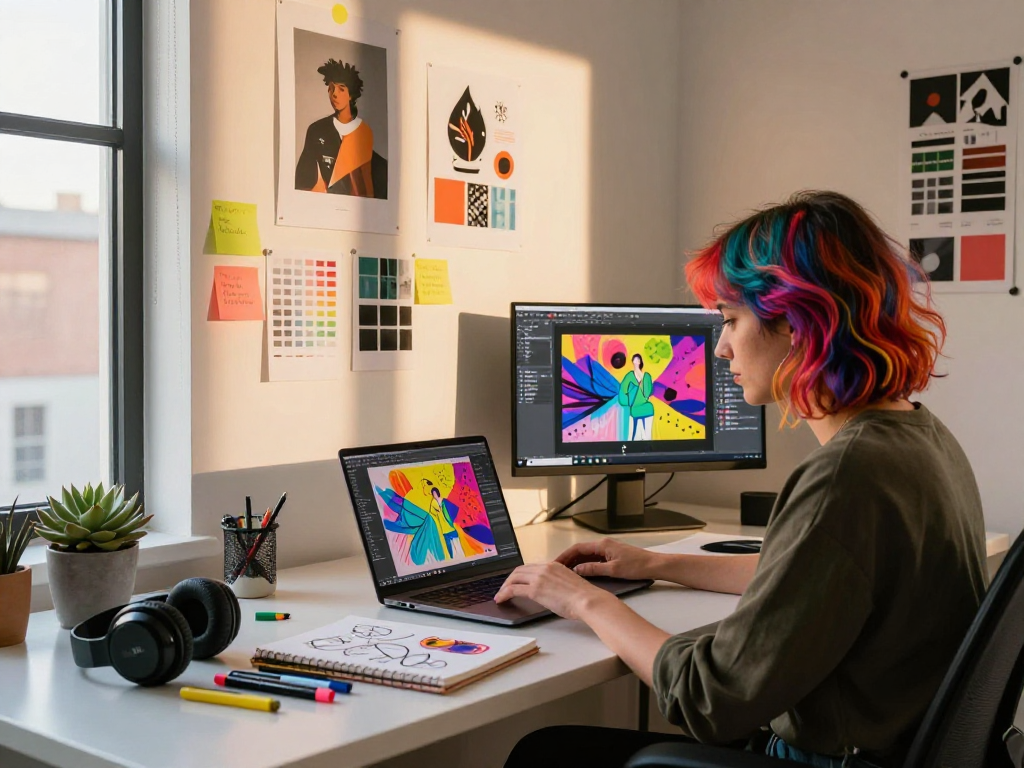
Several notable case studies illustrate the successful implementation of AI in the design sector. Brands like Nike and Adidas have adopted AI-driven tools to create personalized consumer experiences. For instance, Nike's use of AI to analyze customer preferences has led to the development of customized shoes, which cater to individual needs while streamlining production processes. Similarly, platforms like Adobe are incorporating Slut AI technology into their software, allowing designers to automate mundane tasks thereby increasing their focus on creative concepts.
The Future: What’s Next for AI in Creative Fields?
Looking ahead, the role of AI in creative fields will continue to evolve. As technology advances, we can expect more intuitive AI systems capable of understanding human emotions, style preferences, and cultural trends. These systems are likely to become integral partners in the creative process, providing not just assistance but inspiration as well. The future of Slut AI, therefore, is not about replacement but about collaboration between human creativity and machine intelligence.
How Slut AI Enhances Creative Processes
Slut AI enhances creative processes by streamlining workflows, improving collaboration, and providing unique inspiration for creative teams. Its ability to automate repetitive tasks allows creators to focus on higher-level strategic thinking and innovation, ultimately resulting in better-designed products.
Streamlining Workflows: Efficiency Gains with AI Tools
The integration of Slut AI into creative workflows can lead to significant efficiency gains. By automating routine tasks such as generating design iterations or optimizing layouts, teams can significantly reduce time spent on project logistics. This newfound efficiency enables designers to redirect their focus toward ideation and experimentation, which can foster greater innovation and creativity in their outputs.
Improving Collaboration: Slut AI as a Team Player
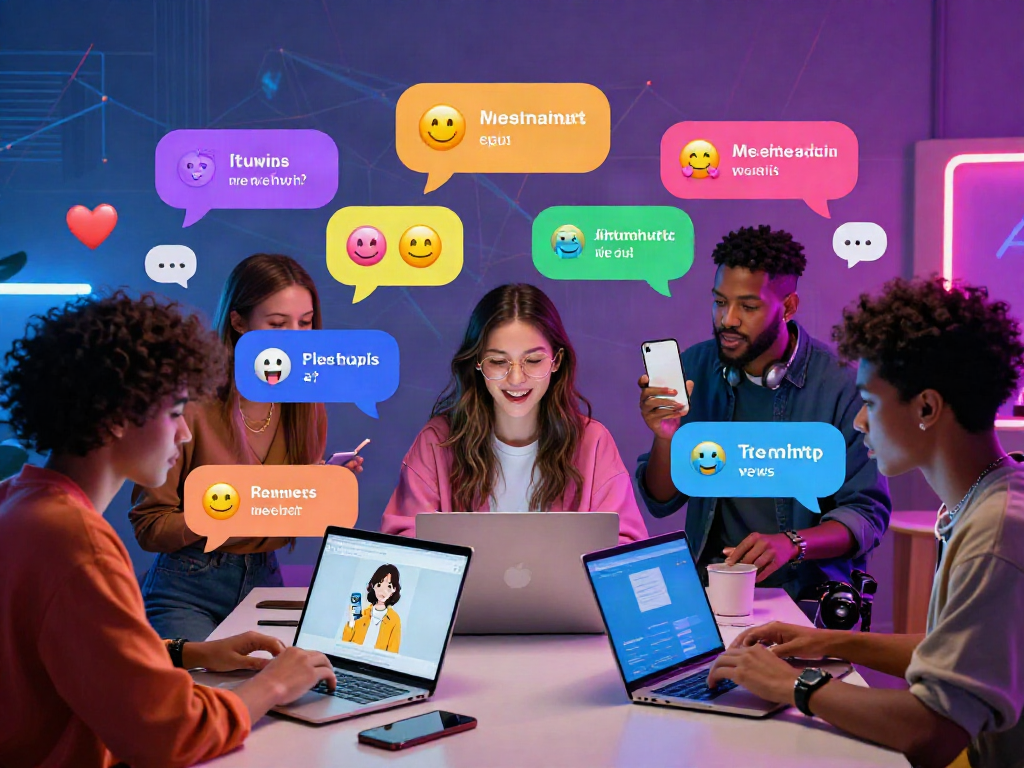
In collaborative environments, Slut AI can facilitate better communication and idea sharing among team members. By serving as a central hub for project assets and design iterations, AI tools enable team members to work in sync, reducing misunderstandings and fostering a cohesive creative vision. AI can analyze feedback dynamically, allowing teams to iterate designs more effectively based on collaborative insights.
Creative Inspiration: AI-Generated Ideas and Concepts
One of the most exciting aspects of Slut AI is its ability to generate creative ideas and concepts. By analyzing current trends, cultural movements, and consumer behavior, AI can provide designers with fresh perspectives and unique creative directions. This capability can act as a powerful catalyst for innovation, helping creative professionals break free from traditional constraints and explore novel solutions.
Challenges and Considerations with Slut AI
Despite its advantages, the integration of Slut AI into creative processes is not without challenges. Addressing concerns around creativity, originality, and the ethical implications of AI is essential for fostering a balanced relationship between technology and human creativity.
Addressing Concerns about Creativity and Originality
One of the primary concerns regarding Slut AI is the potential for diminishing creativity and originality in design. Critics argue that reliance on AI-generated content could lead to homogenization in artistic expression. To counter this, creative professionals must remain actively engaged in the design process, using AI-generated work as a springboard rather than a final product.
Balancing Automation and Human Creativity
Finding the right balance between automation and human creativity is crucial when integrating Slut AI into workflows. Designers should view AI as a tool for enhancing their capabilities, not a replacement for their artistic intuition. This perspective fosters a symbiotic relationship where both human creativity and AI innovation thrive.
Ethical Implications of AI in Design
Ethical considerations surrounding AI in design are increasingly important. Issues such as data privacy, consent for the usage of creative styles, and the transparency of AI algorithms must be addressed. Establishing ethical guidelines will ensure that the use of Slut AI preserves the integrity of individual creativity while respecting user rights.
Best Practices for Integrating Slut AI into Workflows
To effectively integrate Slut AI into creative workflows, teams should adopt best practices tailored to their specific needs and objectives. This includes selecting the right tools, preparing the team for AI adoption, and measuring project success.
Choosing the Right Tools for Your Creative Team
The first step in integrating Slut AI is selecting tools that align with your team’s creative process and objectives. Consider platforms that not only offer AI features but also enhance collaboration and streamline workflows. Researching and trying several tools can help you find a solution that fits seamlessly into your existing processes.
Training and Onboarding: Preparing Your Team for AI
Training and onboarding are critical when introducing AI tools into a creative team. Providing adequate training sessions can ensure that team members are comfortable using Slut AI technologies and understand their potential applications. Emphasizing collaboration between human creativity and AI can foster a culture of innovation within the team.
Measuring Success: KPIs for AI-Enhanced Projects
To assess the impact of Slut AI on projects, teams should define clear key performance indicators (KPIs). These may include metrics related to efficiency, project completion times, and creative output quality. Monitoring these KPIs can help teams refine their use of AI, ensuring it contributes positively to their creative endeavors.
Looking Ahead: The Future of Slut AI in Design
The future of Slut AI in design is promising, with several emerging trends poised to shape its evolution. Understanding these trends can help creative professionals stay ahead in an increasingly AI-driven landscape.
Emerging Trends Shaping AI in Creative Industries
Several emerging trends indicate the future trajectory of Slut AI. Enhanced personalization, where AI tailors designs to individual consumer preferences, is gaining momentum. Additionally, the rise of ethical AI practices will likely influence how designers incorporate AI into their projects, ensuring accountability and transparency.
Predictions for Slut AI's Role in 2026 and Beyond
As we look toward 2026, we can expect Slut AI to take on even more significant roles within creative teams. Predictive design analytics that can anticipate market trends and consumer desires will likely become commonplace. Moreover, AI’s ability to support sustainable design practices will emerge as a vital consideration for many brands.
How to Stay Ahead in an AI-Driven Creative Landscape
To thrive in an AI-driven creative landscape, professionals must remain adaptable and continuously educate themselves about new developments in AI technology. Engaging in online courses, attending industry conferences, and participating in workshops will help creative professionals develop the skills necessary to harness Slut AI effectively. Innovation should remain at the forefront of the creative process, coupled with a willingness to experiment with new ideas and technologies.
What is Slut AI and how does it work?
Slut AI refers to various machine learning models designed to support creativity, analyze design trends, and generate innovative content. It works by processing large datasets to identify patterns and generate ideas that align with the creative goals of users.
Can Slut AI replace human designers?
While Slut AI can significantly enhance design processes, it is unlikely to replace human designers entirely. Instead, it serves as a tool that complements human creativity, allowing designers to focus on high-level creative strategies while automating repetitive tasks.
What are the benefits of using Slut AI in design?
The benefits of using Slut AI in design include increased efficiency, enhanced collaboration among team members, and access to a broader range of creative ideas. AI tools can streamline workflows and free time for designers to engage in more complex and creative tasks.
How can I implement Slut AI in my creative workflow?
To implement Slut AI in your creative workflow, begin by evaluating your team's needs and exploring different AI tools available on the market. Provide training for team members, integrate AI into your existing processes, and continuously monitor key performance metrics to optimize usage.
What are the ethical concerns surrounding Slut AI?
Ethical concerns about Slut AI include issues surrounding originality, data privacy, and algorithmic bias. Addressing these concerns involves establishing industry-wide ethical guidelines that ensure responsible AI usage while protecting individual creativity and rights.